Aleks’ story
Meet Aleks who is going to be the intern in the Cape Town Holocaust and Genocide Centre for the next year. ...
Read MoreRead MoreMeet Aleks who is going to be the intern in the Cape Town Holocaust and Genocide Centre for the next year. ...
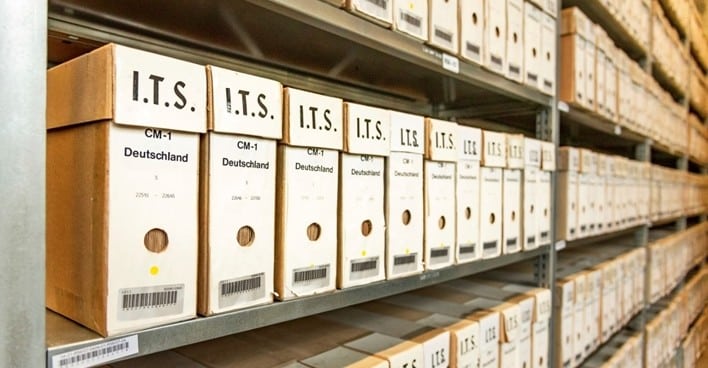
Read MoreRead MoreQ&A: New research to map Holocaust denial and distortion online Selected files from the Arolsen Archives which contain over 30 million pages of Holocaust-era documents relating to the experiences of over 17.5 million people. © Johanna Gross/Arolsen Archives This article was originally posted on the UNESCO website. Experts...
Read MoreRead MoreAria's Journey My name is Aria Askari and I am completing a masters in History and German Philology at the University of Vienna. I mostly grew up in Vienna and have strong family ties to Graz in southern Styria, but also spent significant parts of my childhood...
Read MoreRead MoreThe Wannsee Conference Image: "The Final Solution" section of the Cape Town Holocaust & Genocide Centre's permanent exhibition. The Wannsee Conference, held in Berlin in January 1942, was the last step in transforming the concept of the “Final Solution” which was the codename for the annihilation of...
Read MoreRead MoreThis article was written by Dr Victoria Walden and was originally posted on the Digital Holocaust Memory Project website. Last night, I was very honoured to present some initial ideas related to my research about digital Holocaust memory for The Cape Town Holocaust & Genocide Centre....
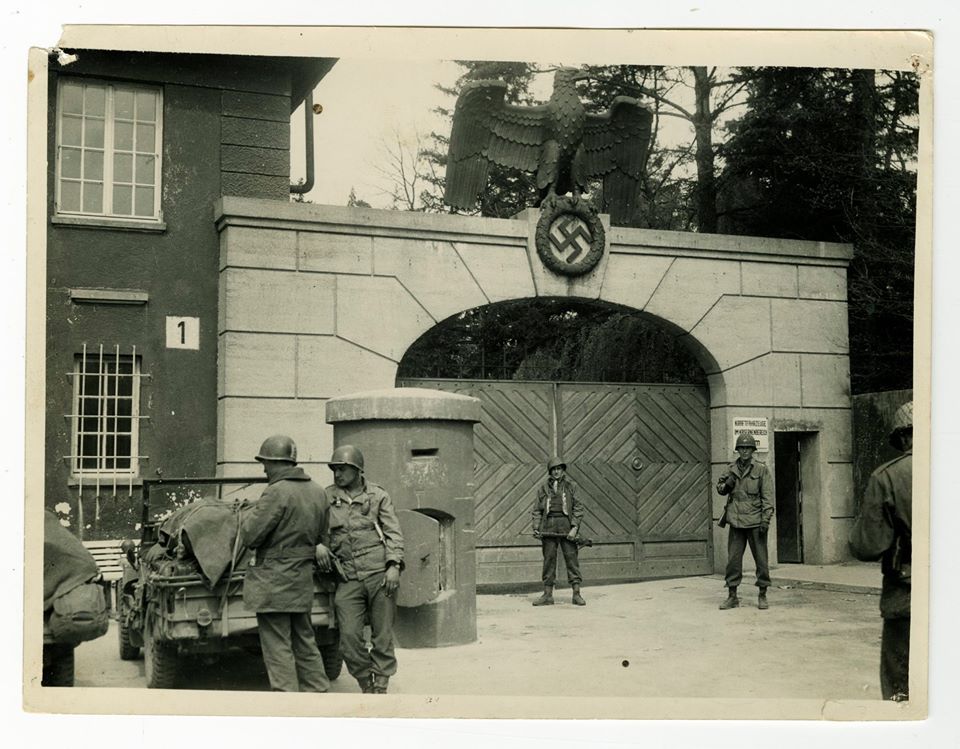
Read MoreRead MoreDachau was the first, and longest operating, concentration camp. Built in 1933, just five weeks after Adolf Hitler became the German Chancellor, it initially housed Nazi political opposition. It was in Dachau where the Nazis' political opponents would be exposed to harsh forced labour and...
Read MoreRead MoreWe pay tribute to the Holocaust survivors who settled in South Africa as part of the Yom HoShoah Commemoration. Please find the recording of the virtual ceremony on our Facebook page....
Read MoreRead MoreWhy do we celebrate Human Rights day in South Africa on this day? On 21 March 1960, the president of the Pan African Congress, Robert Mangaliso Sobukwe organised a peaceful, countrywide uprising against the pass book (dompas), issued only to those in South Africa who had...
Read MoreRead MoreArchival Intern Kine Matose explores the emotive topic of memorialisation. Why do we memorialise? We memorialise as a way to show respect and preserve the memory of individuals, whether passed or living, groups of people or events. There are many traditions to honour people: statues, buildings, tombstones,...
Read MoreRead MoreThe Cape Town Holocaust & Genocide Centre works towards creating a more just and caring society, in which human rights and diversity are respected and valued. Our South African Constitution stipulates that our country belongs to all those living within it. We have, however, witnessed unprecedented...
Read MoreRead More